Topic 3: Tinkercad
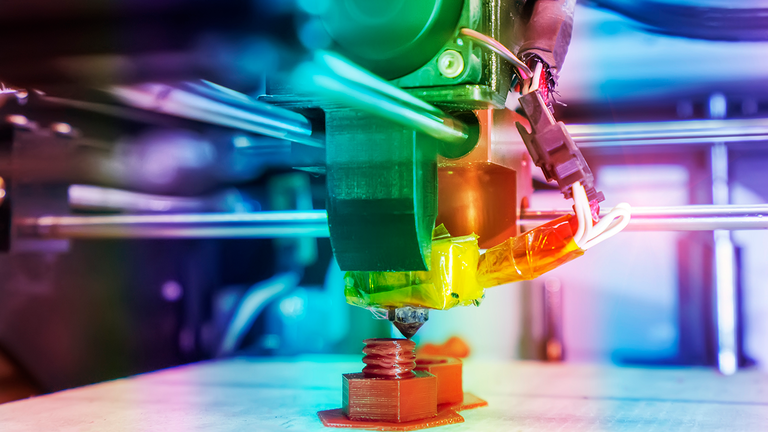
Students who learn in self directed, technology based learning environments, are shown to display higher levels of critical thinking and problem solving skills (Kwon, 2017; Trust & Maloy, 2017). Integrating technology into students learning programs is also seen to have higher levels of engagement and enthusiasm in the classroom (Kwon, 2017). 3D printing, is an emerging technology that is slowly being integrated into many K-12 science and technology, engineering, arts and mathematics (STEAM) learning programs (Kwon, 2017).
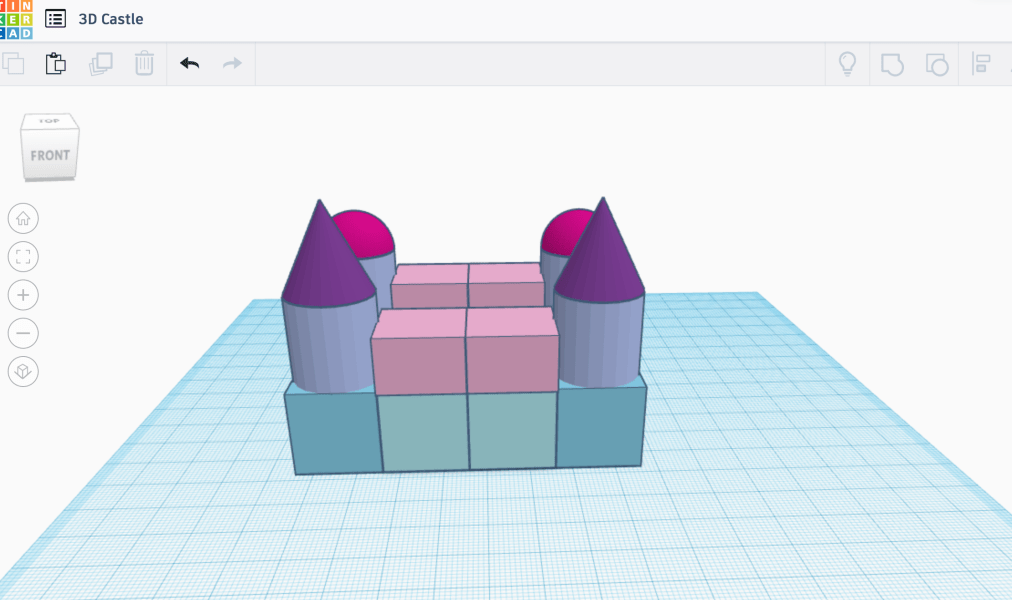
In particular, 3D printing is a design based approach to teaching and learning that requires students to demonstrate and develop their 21st century skills (Trust & Maloy, 2017). 3D printing is the process of printing a 3 dimensional object/figure layer by layer that has been designed using a computer modelling program such as Tinkercad (Ng, 2017). Tinkercad is an online program that allows students to manipulate and adjust their designs through rotating, resizing and measuring (Ng, 2017). For example Ng (2017), studied the benefits of 3D printing in the classroom through observing a year 7 mathematics class. These students were learning volume of solids and were challenged with designing a solid, using Tinkercad, that could be 3D printed and measured. The ability for students to take charge of their own learning allowed them to make meaningful connections as well as develop their design based thinking skills and creativity in a memorable way.
However, there are some negatives that 3D printing poses in the classroom. For example, 3D printing is a time consuming process that has a high likelihood for mistakes and may interrupt active learning time (Trust & Maloy, 2017). 3D printing technology is also an expensive tool that some schools may not have access too. However, as technology is advancing and the benefits for classroom learning are becoming realised, this type of technology is becoming more accessible to schools (Ng, 2017). Moreover, the benefits outweigh the negatives as students are able to witness their designs being brought to life in front of them, allowing their learning to be memorable.
3D printing can be used as practical based learning that uses a constructivist approach to education through play, problem solving and design and ensures student learning is meaningful and authentic (Trust & Maloy, 2017). 3D printing is an active process that engages students in their STEAM learning and allows them to make real life connections and develop their creative thinking (Trust & Maloy, 2017).
References:
Kwon, H. (2017). Effects of 3D Printing and Design Software on Students’ Overall Performance, Journal of STEM Education, 18(4), 37-42.
Ng, O. (2017). Exploring the use of 3D Computer-Aided Design and 3D Printing for STEAM Learning in Mathematics, Digital Experiences in Mathematics Education, 3(3), 257-263.
Trust, T. & Maloy, R. W. (2017). Why 3D Print? The 21st-Century Skills Students Develop While Engaging in 3D Printing Projects, Computers in the Schools, 34(4), 253-266.
 EDUC3620 Digital Creativity and Learning
Hi Georgia, I love how commented on technology encouraging critical thinking and problem-solving skills. This is a great reason to introduce technology into the classroom. in this day and age with how much skill young children have with technology, it makes sense to use technology in the classroom as it will keep students engaged and enthusiastic.
I also agree that 3D printing is time-consuming and takes a lot of work from the teacher in order to make it a productive lesson. Students making connections into their real lives is great reason 3D printing should try to be implemented into the classroom learning
LikeLiked by 1 person
I’m glad you agree with my discussion points, 3D printing is an amazing tech!
LikeLike
Hi Georgia, Great post! I totally agree with the downside of 3D printing, particular in schools with low socio-educational advantage. The idea of designed based thinking however is one that can be applied without the expenses of time and money. I do think it is a great approach to boosting engagement and performance for certain students, however, it can have an adverse effect causing cognitive overload for some.
LikeLiked by 1 person
Yes, it’s such a good technology but still out of reach for many students
LikeLike