Topic 7: CoSpaces
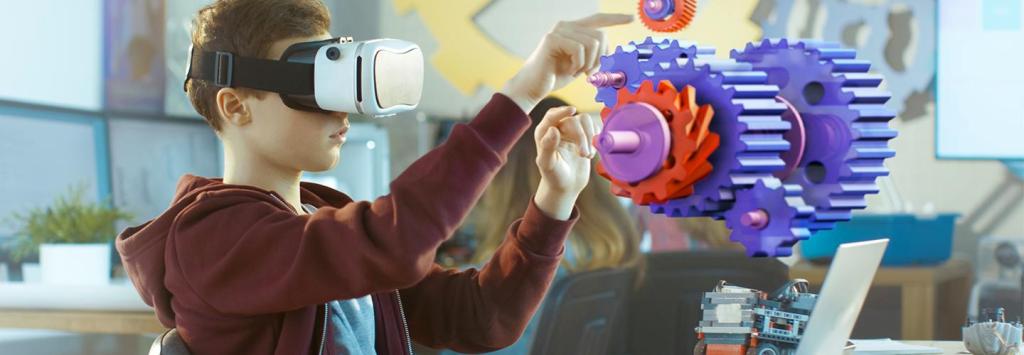
Virtual Reality is an emerging technology that has gained great traction in educational systems (Matteson, 2019). Virtual reality creates an alternate environment that students are able to fully immerse themselves in, compared to augmented reality where students experience reality combined with virtuality (Matteson, 2019). There are multiple pedagogical motivations for virtual reality to be utilised within classrooms. Moreover, its use promotes collaboration among students as well as adopting John Dewey’s constructivist approach to teaching. For example, virtual reality promotes active engagement among students whilst allowing them to flexibly design their own environments based on their prior knowledge and experiences (Kavanagh, Luxton-Reilly, Wuensche & Plimmer, 2017). Experiential and exploratory learning are the foundation for constructivist teaching and can be efficiently facilitated using virtual reality applications (Kavanagh, et al. 2017).
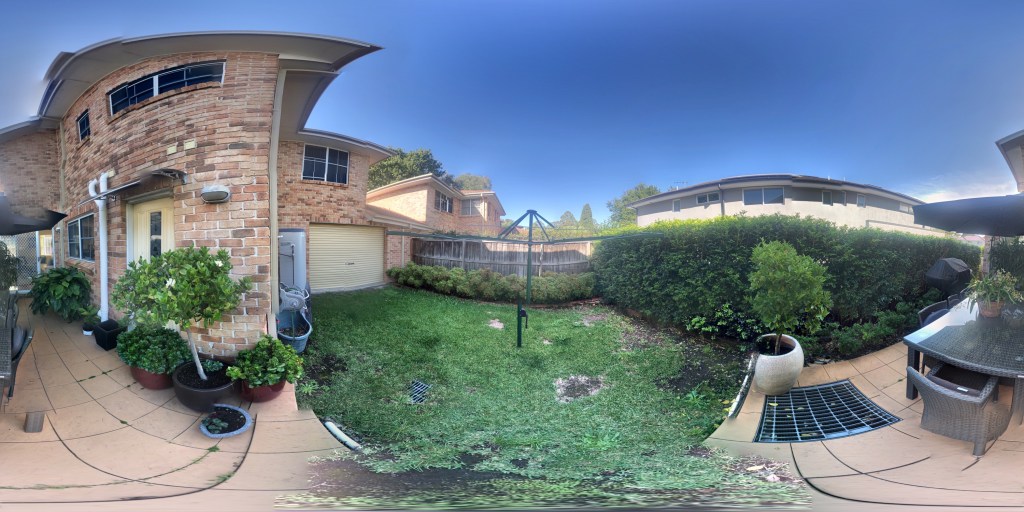
CoSpaces is a software that facilitates both virtual reality and augmented reality learning. It was created solely to be facilitated in K-12 classrooms for instructional purposes (Matteson, 2019). It enables students to create their own virtual world whilst also incorporating coding blocks that allow students to demonstrate their coding knowledge into objects within their environments (Matteson, 2019). CoSpaces is compatible with a range of 3D applications including Google street view and Google poly (Matteson, 2019). Google street view allows you to take a 3D photo of an environment and then upload it to CoSpaces where it can be turned into a virtual world using the numerous characters and objects provided. On the other hand, Google poly allows you to design a 3D object and then upload it into your virtual CoSpaces world (Matteson, 2019). Both applications have great capacity to be utilised within multiple key learning areas.
In regards to creativity in the classroom, Yang, Lin, Cheng, Yang, Ren & Huang (2018), state that virtual reality has great potential for fostering creativity as students remain more focused when fully immersed in a virtual environment and show greater capacity for creativity. Compared to augmented reality, virtual reality has the ability to transport students to a different world where they can demonstrate and extend, their creativity and knowledge further (Yang, et al. 2018). Moreover, virtual reality has the ability to facilitate and support creative learning through an immersive and motivating, alternate environment (Yang, et al. 2018).
References:
Kavanagh, S., Luxton-Reilly, A., Wuensche, G. & Plimmer, B. (2017). A systematic review of Virtual Reality in education, Themes in Science and Technology Education, 10(2), 85,119.
Matteson, A. (2019). Explore AR/VR with CoSpaces edu, Educators now have a powerful mixed reality platform to share with students, School Library Journal, 65(1), 16.
Yang, X., Lin, L., Cheng, P., Yang, X., Ren, Y. & Huang, Y. (2018). Examining creativity through a virtual reality support system, Educational Technology Research and Development, 66(5), 1231-1254.
 EDUC3620 Digital Creativity and Learning