Topic 8: Kodu Game Lab
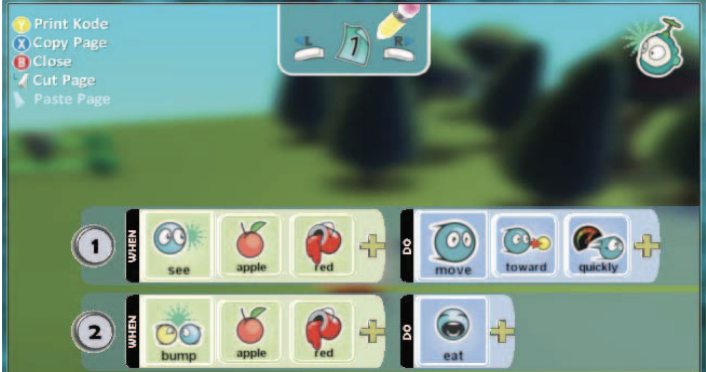
Digital games provide students with the opportunity to develop their thinking skills in an online, engaging format. Game design has the capacity to promote two pedagogical principles of teaching; constructionism and guided discovery learning (Akcaoglu & Koehler, 2014). Game design also offers students the chance to problem solve in an environment that has many possible solutions, compared to those offered in traditional instructional practices (Akcaoglu & Koehler, 2014). Problem solving is a higher order thinking skill that students need to establish as a cognitive tool before entering the real world. This requires student creativity as well as motivation and engagement to be facilitated in the classroom. Game design has the capacity to offer this to students through authentic, interactive problem solving experiences (Akcaoglu & Koehler, 2014). Moreover, most students struggle with learning the fundamental aspects of computer programming. Games and game design give students the ability to develop those skills in a non-traditional format that is said to make a lasting impact on their development (Fowler & Cusack, 2011).
Kodu Game Lab is a free game design program offering students isometric 3D playing that has the capacity to motivate and engage students to make their own unique game designs, effectively putting their computer programming skills into practice (Fowler & Cusack, 2011). Compared to other game design programs such as Alice, Scratch and Game Maker, Kodu Game Lab offers students a much more integrated learning experience with more software capabilities allowing for easier accessibility and wider range of use in the classroom (Fowler & Cusack, 2011).
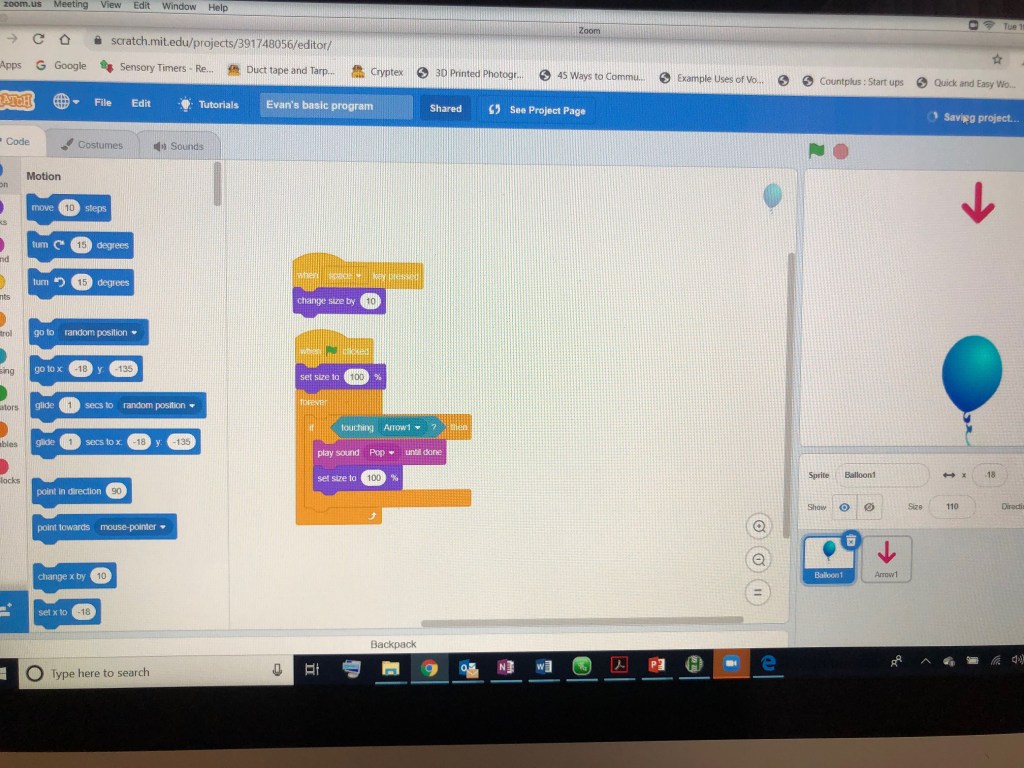
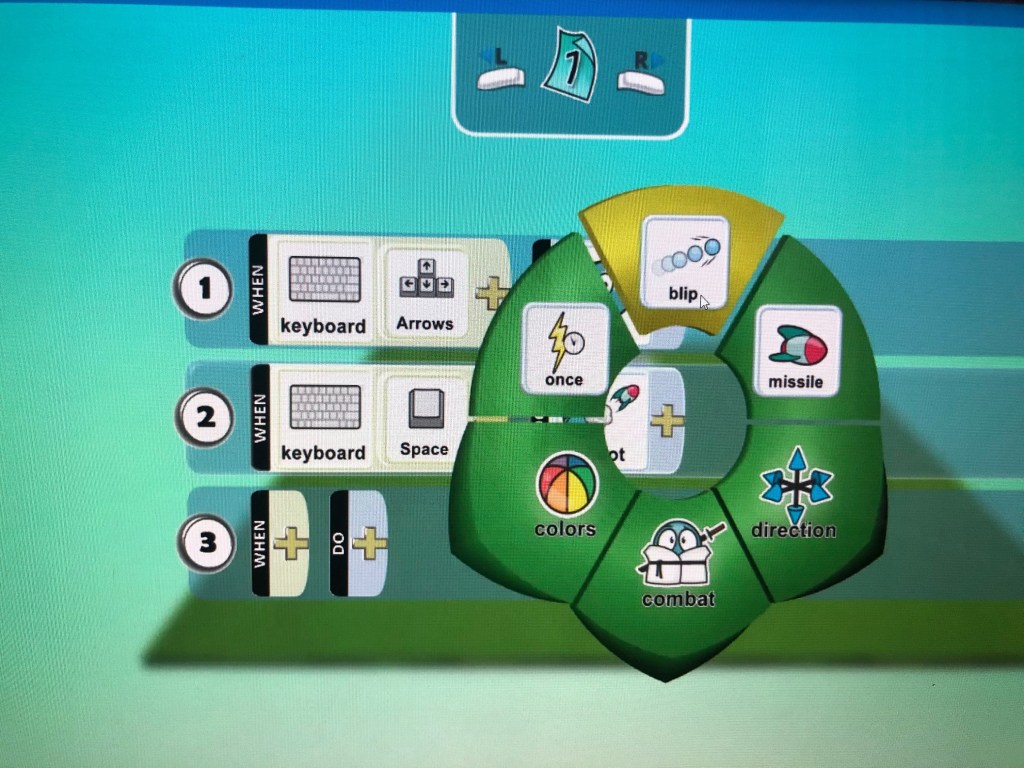
Kodu Game Lab gives students the ability to design their own unique game by introducing their own rules into the program. Students use coding, problem solving skills and in particular creativity when designing and implementing the foundations of a game (Overmars, 2004). Introducing rules into a game world requires students to use their problem solving skills, therefore inspiring creativity (Overmars, 2004). Game design also has the capacity to be integrated into many different KLA’s including mathematics, science and history, making it a flexible and valuable resource in teaching classrooms (Overmars, 2004).
References:
Akcaoglu, M. & Koehler, M. J. (2014). Cognitive outcomes from the Game-Design and Learning (GDL) after-school program, Computers and Education, 75, 72-81.
Fowler, A. & Cusack, B. (2011). Kodu Game Lab: Improving the motivation for learning programming concepts, Proceedings of the 6th International Conference on foundations of digital games, 238-240.
Overmars, M. (2004). Game design in education, Institute of Information and Computing Sciences, 1-7.
 EDUC3620 Digital Creativity and Learning
Hey Georgia, I was hoping someone did a post on Kodu Game Lab as I wasn’t familiar with how it completely worked. I like how you have stated that games allow students to problem solve in an environment with multiple solutions. I also agree with developing this higher-order thinking skill before entering the real world. It is great that you have compared game-based learning programs as I am able to the benefits and positives of Kodu. It is awesome that the software is free and has easy accessibility for students. I hope to incorporate game-based learning into a variety of KLAs in my classroom and it is really good to see a high-quality example like Kodu.
LikeLiked by 1 person
I’m glad you found my post useful, thanks for the comment!
LikeLike
Hi Georgia,
Thank you for this informative blog post on digital games!
I agree that game design has the ability to promote the two mentioned pedagogical principles. I’m glad you touched on the significance of problem-solving for young individuals, as it is a skill that will be needed throughout.
Kodu Game Lab seems like a create application for fostering creativity as they have the ability to construct a game with a created set of rules. It’s also useful that the programme can be integrated into a variety of KLA’s.
LikeLiked by 1 person
I completely agree, thanks so much for the feedback, glad you enjoyed it !
LikeLike